Methodology
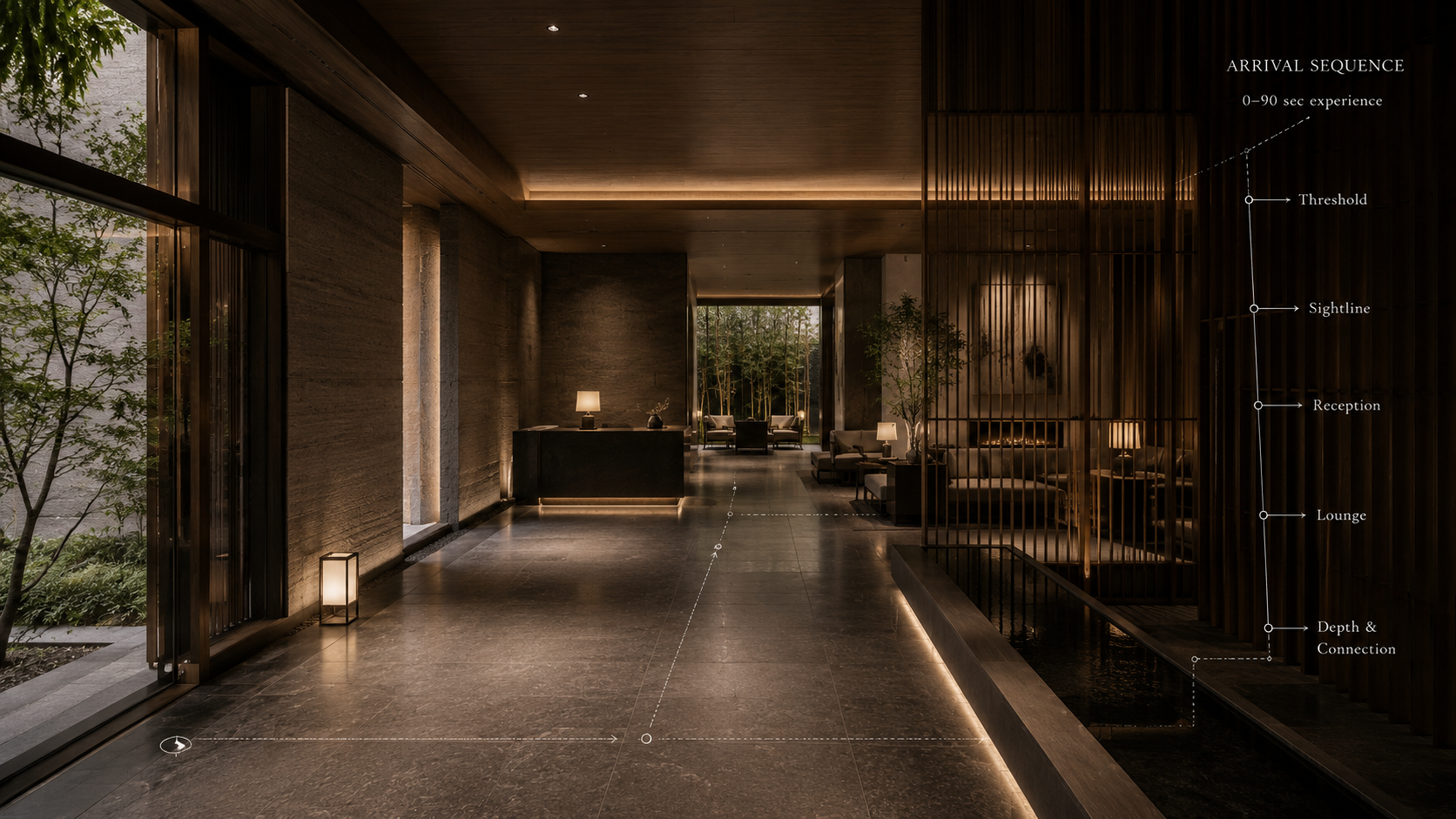
Spatial decisions need commercial evidence.
01
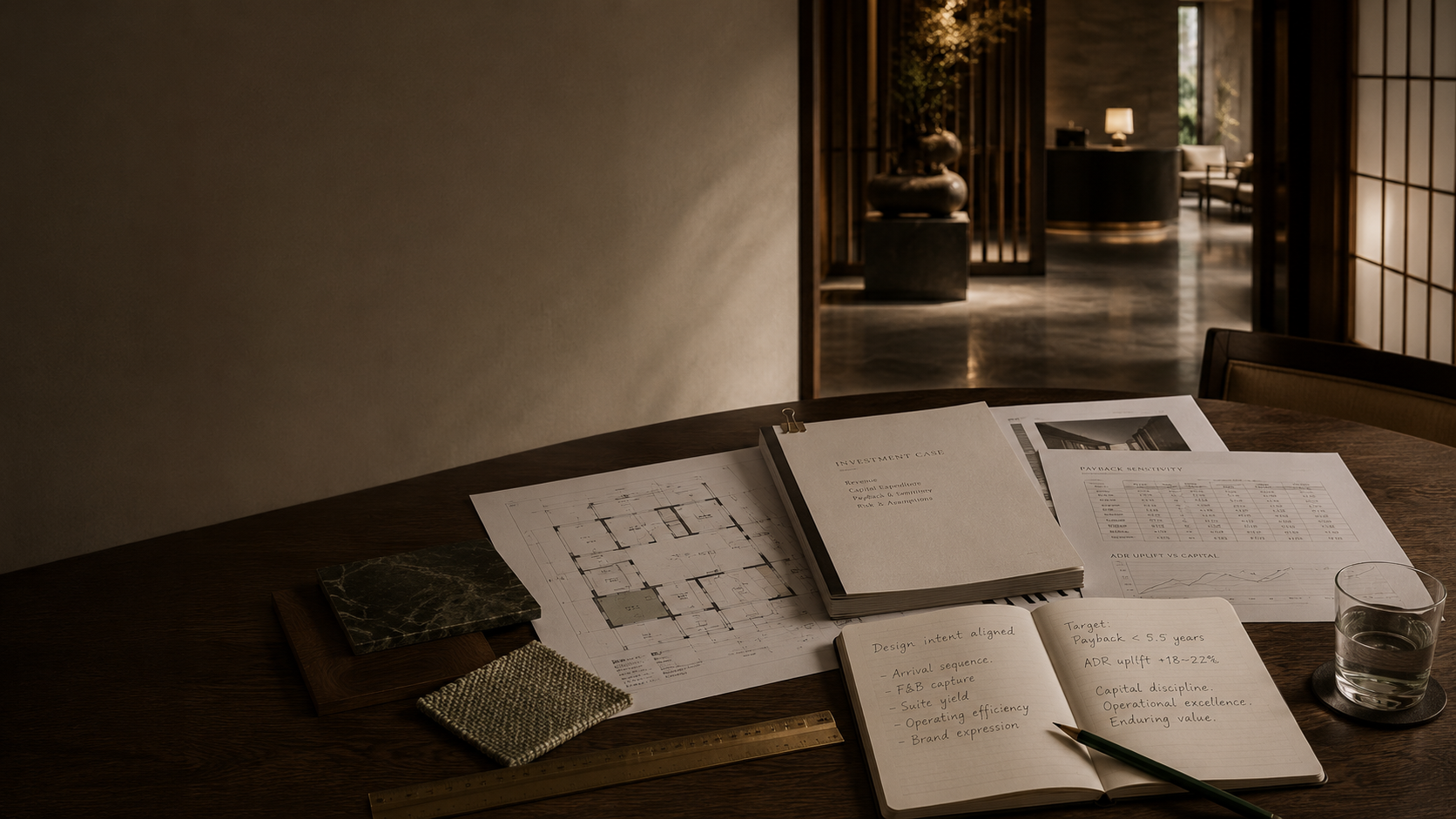
Measure first
Every engagement begins with a revenue model, not a mood board. The question is not whether a space can be made beautiful. The question is whether the intervention is commercially justified.
02
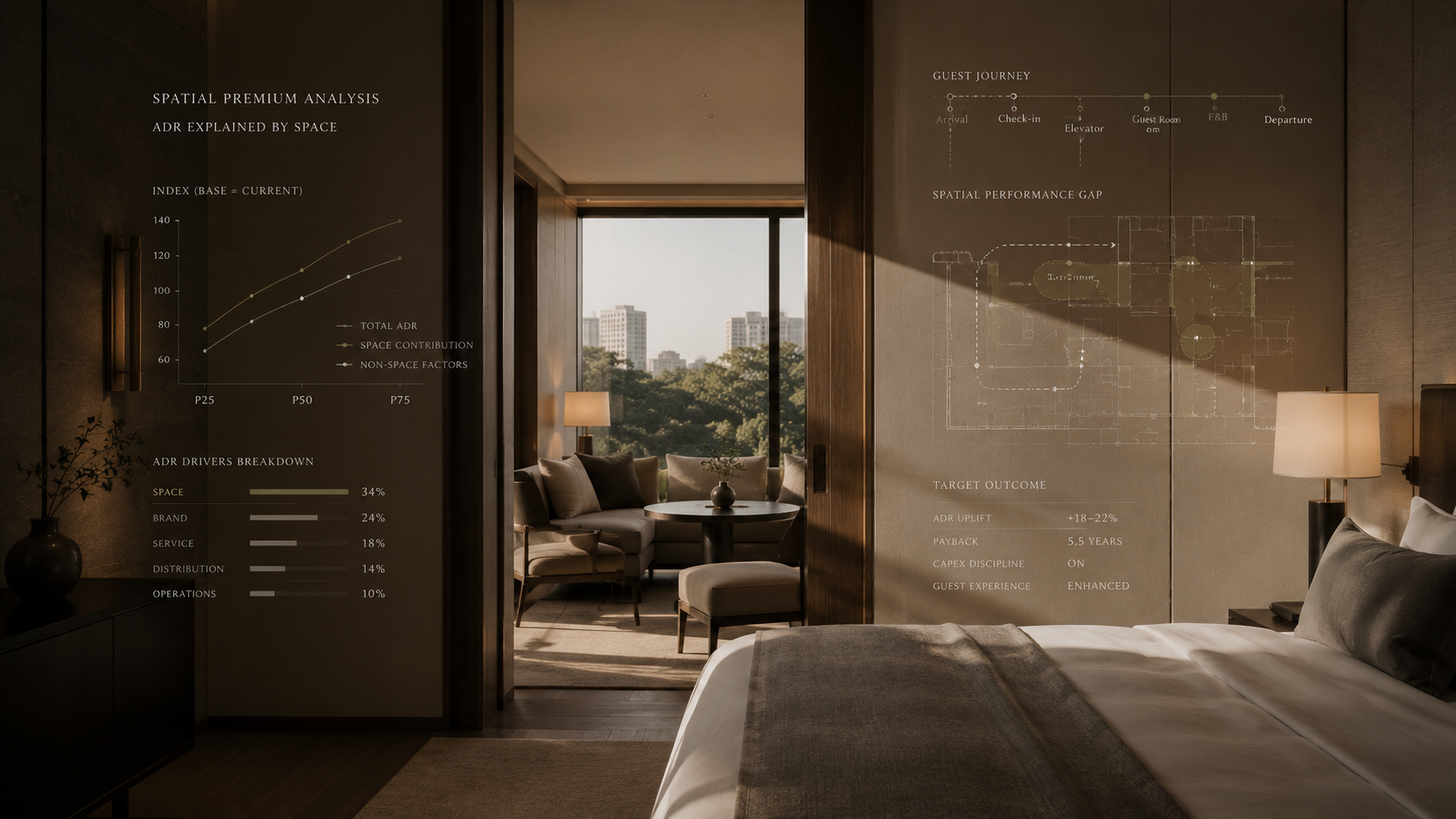
Separate spatial from non-spatial
ADR and total revenue are affected by service, distribution, brand, operations, market timing, and space. Portier isolates the spatial contribution enough for an owner to make a better decision.
03
Define behaviour
A commercial design objective describes what guests must do differently: notice the outlet, dwell longer, choose to dine in, stay for a second drink, or accept a higher rate position.

04
Brief before design
The commercial design brief defines objectives, guest journey imperatives, zone KPIs, priorities, and acceptance criteria.
05
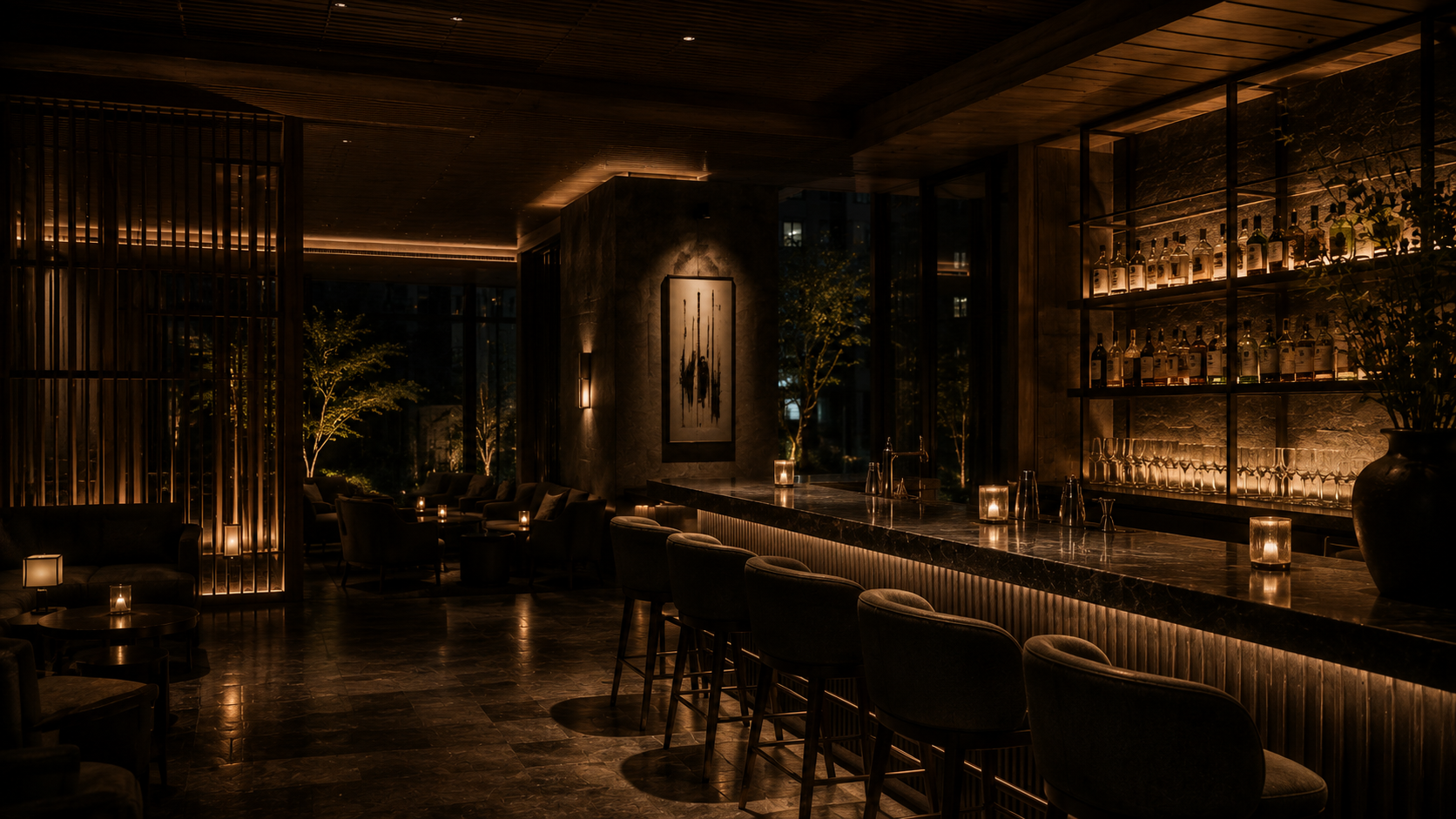
Hold the brief
Design development and value engineering can weaken the approved investment case one decision at a time. Portier maintains the decision record and reviews design submissions against the approved commercial intent.
Owner-side review
The brief is only as strong as its evidence.
Portier's methodology is applied through four staged engagements, from opportunity screen to design governance.
Begin an enquiry